UIIA Insurance Requirements: Complete Guide for Intermodal Trucking
UIIA Insurance Requirements
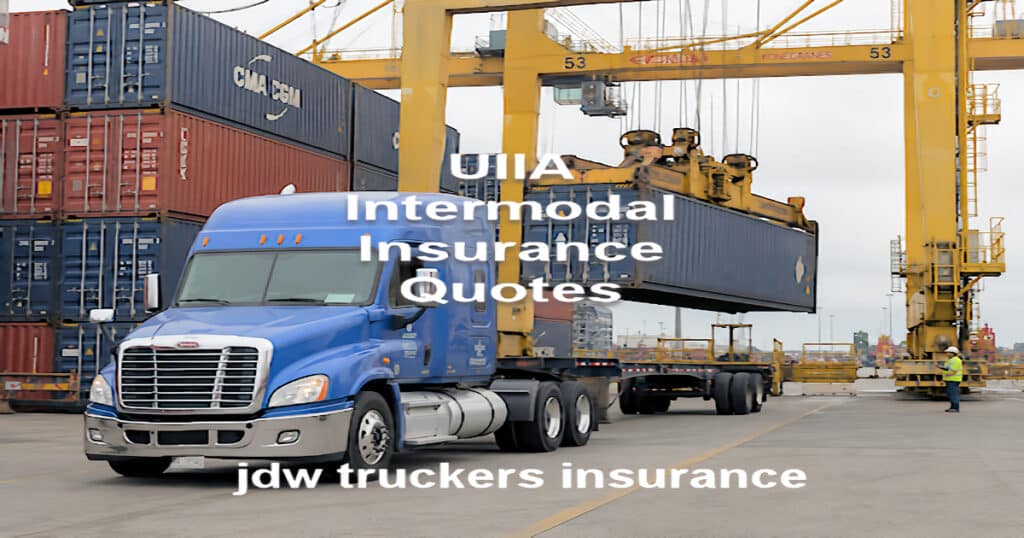
UIIA Insurance Requirements are one of the most important compliance issues for trucking companies that haul containers through ports, rail yards, and intermodal freight facilities. Before a motor carrier can pick up containers or chassis from most intermodal facilities, it must meet the Uniform Intermodal Interchange and Facilities Access Agreement (UIIA) insurance requirements established by the Intermodal Association of North America (IANA).
For trucking companies operating near major freight hubs such as the Port of Charleston, Port of Savannah, Port of Jacksonville, Port of Miami, Port of Houston, and the Port of Virginia, understanding UIIA Insurance Requirements is essential for maintaining access to container freight opportunities.
What Are UIIA Insurance Requirements?
UIIA Insurance Requirements are minimum insurance standards that trucking companies must maintain before they can participate in intermodal transportation.
The UIIA system was created to establish uniform insurance and equipment interchange rules between:
- Motor carriers
- Steamship lines
- Equipment providers
- Railroads
- Marine terminals
- Chassis providers
The goal is to ensure that every party involved in container transportation has adequate financial protection.
Why UIIA Insurance Requirements Matter
Without meeting UIIA Insurance Requirements, a trucking company may be unable to:
- Pick up containers
- Access port facilities
- Access rail terminals
- Use chassis pools
- Participate in intermodal freight operations
Most container providers will not release equipment unless the motor carrier’s insurance is properly filed and approved through the UIIA system.
Minimum Auto Liability Requirements
One of the primary UIIA Insurance Requirements is Commercial Auto Liability Insurance.
Most equipment providers require:
- $1,000,000 Combined Single Limit (CSL)
- Coverage for owned vehicles
- Coverage for hired vehicles when applicable
- Coverage for non-owned vehicles when applicable
The liability policy must remain active at all times.
Even a brief lapse in coverage can result in immediate suspension from the UIIA system.
UIIE-1 Endorsement Requirement
A critical part of UIIA Insurance Requirements is the UIIE-1 endorsement.
The UIIE-1 endorsement modifies the commercial auto policy to satisfy intermodal interchange obligations.
Without the UIIE-1 endorsement:
- UIIA filings may be rejected
- Container access may be denied
- Chassis usage may be prohibited
Many trucking companies discover they are not compliant until a port terminal rejects their container pickup.
Trailer Interchange Coverage Requirements
Another major component of UIIA Insurance Requirements is Trailer Interchange Coverage.
This coverage protects:
- Non-owned chassis
- Non-owned containers
- Interchanged equipment
Typical limits may range from:
- $20,000
- $30,000
- $40,000
- $50,000
- $65,000 or more
The required limit often depends on the equipment provider’s specific agreement.
General Liability Requirements
Many equipment providers also require General Liability Insurance.
Typical limits include:
- $1,000,000 per occurrence
- $2,000,000 aggregate
General liability helps protect against:
- Premises claims
- Third-party injury claims
- Property damage claims
Some providers may require additional insured endorsements as part of their UIIA Insurance Requirements.
Cargo Insurance Requirements
Cargo Insurance is not always directly required by UIIA, but many customers, brokers, ports, and equipment providers require it.
Cargo insurance protects freight against:
- Theft
- Fire
- Collision damage
- Cargo loss
- Cargo contamination
Many intermodal carriers carry cargo limits between:
- $100,000
- $250,000
- $500,000
Requirements vary by customer and freight type.
States Where UIIA Insurance Is Common
UIIA Insurance Requirements are especially important in states with significant port and rail activity.
South Carolina
South Carolina is home to the Port of Charleston, one of the busiest container ports on the East Coast.
Intermodal trucking activity is common throughout:
- Charleston
- North Charleston
- Summerville
- Mount Pleasant
Georgia
Georgia’s Port of Savannah is one of the largest container ports in North America.
Major intermodal freight activity occurs in:
- Savannah
- Pooler
- Garden City
- Atlanta
Florida
Florida has multiple major ports requiring intermodal access.
Key facilities include:
- Port of Jacksonville
- Port of Miami
- Port Everglades
- Port Tampa Bay
Major trucking markets include:
- Jacksonville
- Miami
- Tampa
- Orlando
Texas
Texas supports some of the largest freight operations in the country.
Major ports include:
- Port of Houston
- Port of Galveston
- Port of Corpus Christi
Intermodal activity is especially heavy around:
- Houston
- Dallas
- Fort Worth
- San Antonio
Virginia
The Port of Virginia is one of the most important East Coast container gateways.
Major freight cities include:
- Norfolk
- Virginia Beach
- Chesapeake
- Richmond
Pennsylvania
Pennsylvania intermodal trucking frequently serves:
- Port of Philadelphia
- Harrisburg rail facilities
- Pittsburgh freight terminals
Major trucking cities include:
- Philadelphia
- Pittsburgh
- Harrisburg
- Allentown
States Served by JDW Truckers Insurance
JDW Truckers Insurance helps trucking companies operating in:
- South Carolina
- Georgia
- Florida
- Texas
- Virginia
- Pennsylvania
- Tennessee
- Ohio
- Indiana
- Missouri
- Mississippi
- Arkansas
Many trucking companies in these states require assistance navigating UIIA Insurance Requirements and obtaining proper intermodal coverage.
Common UIIA Filing Mistakes
Some of the most common reasons motor carriers fail UIIA compliance include:
- Missing UIIE-1 endorsement
- Insufficient liability limits
- Missing trailer interchange coverage
- Policy cancellation
- Incorrect certificate filings
- Failure to add required endorsements
Even small filing errors can result in suspension from port access.
How Much Do UIIA Insurance Requirements Cost?
The cost of meeting UIIA Insurance Requirements depends on:
- Driver history
- Claims history
- Authority age
- Equipment values
- Port exposure
- Freight type
Many intermodal trucking operations may see annual premiums ranging from approximately:
- $8,000 to $15,000 for experienced operators
- $15,000 to $25,000 or more for new authorities or higher-risk operations
Actual pricing varies significantly based on underwriting.
How JDW Truckers Insurance Can Help
JDW Truckers Insurance works with owner operators, drayage carriers, and trucking companies that need assistance meeting UIIA Insurance Requirements. The agency helps review liability requirements, trailer interchange coverage, UIIE-1 endorsement needs, cargo insurance requirements, and other compliance issues associated with intermodal trucking operations.
Whether operating through the Port of Charleston, Port of Savannah, Port of Jacksonville, Port of Houston, or the Port of Virginia, proper insurance filings are essential to maintaining access to intermodal freight opportunities.
Final Thoughts on UIIA Insurance Requirements
UIIA Insurance Requirements are designed to protect equipment providers, terminals, railroads, and motor carriers involved in container transportation. Trucking companies that fail to meet these requirements can quickly lose access to ports, rail yards, and chassis pools.
Understanding liability limits, trailer interchange coverage, cargo insurance, and UIIE-1 endorsement requirements can help motor carriers stay compliant and avoid costly interruptions. For trucking companies involved in intermodal freight, maintaining proper UIIA Insurance Requirements is an essential part of running a successful operation.

UIIA Insurance Companies
If you have questions about UIIA Insurance. Call or text JDW for a friendly one on one chat. We respond quickly and answer your questions – 843-849-4929