Commercial Transportation Insurance

Commercial Transportation Insurance
Every trucking business faces risks on the road, from accidents and cargo claims to lawsuits and equipment damage. Having the right Commercial Transportation Insurance helps protect your business, your drivers, and your financial future while ensuring you meet state and federal insurance requirements. Whether you operate a single truck or manage an entire fleet, the proper insurance coverage can make the difference between recovering from a loss and facing significant out-of-pocket expenses.
Choosing the right Commercial Transportation Insurance involves more than finding the lowest premium. You need coverage that matches your operation, protects your assets, and satisfies the requirements of shippers, brokers, lenders, and the Federal Motor Carrier Safety Administration (FMCSA). The right policy can also help your business remain competitive by providing the protection customers expect from professional transportation companies.
This complete guide explains everything you need to know about Commercial Transportation Insurance, including the different types of coverage available, average insurance costs, FMCSA insurance requirements, pricing examples for different truck types, and practical ways to reduce your premiums without sacrificing protection.
What Is Commercial Transportation Insurance?
Commercial Transportation Insurance refers to a collection of commercial insurance policies designed to protect businesses that transport freight, equipment, or materials using commercial vehicles. These policies help cover financial losses resulting from accidents, property damage, cargo claims, theft, vandalism, lawsuits, and other unexpected events that can occur during daily operations.
Unlike personal auto insurance, Commercial Transportation Insurance is specifically designed for commercial transportation businesses. Coverage can be customized based on the type of truck you operate, the cargo you haul, your operating radius, and whether you transport freight across state lines or within a single state.
Depending on your business, Commercial Transportation Insurance may include:
- Primary Liability Insurance
- Physical Damage Coverage
- Motor Truck Cargo Insurance
- General Liability Insurance
- Non-Trucking Liability
- Trailer Interchange Coverage
- Non-Owned Trailer Coverage
- Uninsured and Underinsured Motorist Coverage
- Medical Payments Coverage
- Optional endorsements for specialized operations
Having the proper Commercial Transportation Insurance not only protects your business financially but also demonstrates professionalism when working with brokers, shippers, and customers.
Why Commercial Transportation Insurance Is Important
Commercial transportation businesses operate in a high-risk industry where even a minor accident can result in expensive repairs, medical bills, legal costs, and cargo claims. Without adequate insurance, these expenses could place a serious financial burden on your business.
The right Commercial Transportation Insurance provides protection in several important ways.
Protects Your Business Assets
Insurance helps cover covered losses involving your vehicles, cargo, and liability claims, allowing your business to recover more quickly after an unexpected event.
Helps Meet Legal Requirements
Most commercial transportation companies must carry minimum liability insurance to comply with state laws and FMCSA regulations. Operating without proper Commercial Transportation Insurance can lead to fines, suspended operating authority, or loss of business opportunities.
Builds Customer Confidence
Many freight brokers and shippers require proof of insurance before assigning loads. Maintaining adequate Commercial Transportation Insurance shows customers that your business is financially responsible and prepared to handle potential risks.
Supports Business Growth
As your company expands by adding trucks, drivers, or new freight lanes, your insurance coverage can be adjusted to meet your changing needs and help protect your growing investment.
Who Needs Commercial Transportation Insurance?
Nearly every business that transports goods, equipment, or materials using commercial vehicles should carry Commercial Transportation Insurance. Insurance requirements vary depending on the type of operation, but proper coverage is essential for protecting both your business and your customers.
Businesses that commonly need Commercial Transportation Insurance include:
- Owner-operators
- Motor carriers
- Trucking companies
- Freight haulers
- Logistics companies
- Delivery services
- Box truck operators
- Dump truck contractors
- Flatbed carriers
- Refrigerated trucking companies
- Moving companies
- Fleet operators
- Construction companies using commercial trucks
Whether your business operates one truck or hundreds, the right Commercial Transportation Insurance helps reduce financial risk while keeping your operation compliant with industry requirements.
Types of Commercial Transportation Insurance Coverage
Every trucking operation has different risks, which is why Commercial Transportation Insurance typically combines several types of insurance into one customized policy. The coverages you need depend on the trucks you operate, the freight you haul, your operating authority, and your contractual obligations.
Primary Liability Insurance
Primary liability insurance is the foundation of every commercial transportation insurance policy. It pays for bodily injury and property damage you cause to others in an at-fault accident and is required for most interstate motor carriers.
Primary liability insurance may help pay for:
- Bodily injury claims
- Property damage
- Legal defense costs
- Court judgments
- Settlements
It does not cover damage to your own truck.
Physical Damage Coverage
Physical damage insurance helps pay to repair or replace your truck if it is damaged by a covered event.
Covered losses may include:
- Collision damage
- Theft
- Fire
- Vandalism
- Flood
- Hail
- Falling objects
- Severe weather
Physical damage coverage is often required by lenders for financed vehicles.
Motor Truck Cargo Insurance
Motor truck cargo insurance protects the freight you haul if it is damaged, stolen, or destroyed due to a covered loss.
This coverage is commonly required by freight brokers and customers transporting valuable cargo.
General Liability Insurance
General liability insurance protects your business from claims involving bodily injury or property damage that occur away from the operation of your truck.
Examples include:
- Customer injuries
- Damage to customer property
- Certain legal expenses
- Advertising injury claims
Many warehouses and shipping facilities require proof of general liability insurance before allowing access.
Non-Trucking Liability
Owner-operators leased to a motor carrier often purchase non-trucking liability insurance to protect themselves when using their truck for personal, non-business purposes.
Trailer Interchange Coverage
Trailer interchange insurance helps pay for damage to trailers owned by another company while they are in your possession under a written trailer interchange agreement.
Non-Owned Trailer Coverage
Non-owned trailer insurance provides protection for trailers you do not own while they are attached to your insured truck, helping reduce repair or replacement costs if a covered loss occurs.
Optional Commercial Transportation Insurance Coverages
Depending on your operation, you may also benefit from additional coverages such as:
- Reefer Breakdown Coverage
- Rental Reimbursement
- Roadside Assistance
- Towing and Recovery
- Downtime Coverage
- Pollution Liability
- Equipment Coverage
- Medical Payments Coverage
- Uninsured and Underinsured Motorist Coverage
Working with an experienced trucking insurance agency can help ensure your Commercial Transportation Insurance policy is tailored to the specific risks of your business rather than relying on a one-size-fits-all solution.
Why Choosing the Right Commercial Transportation Insurance Matters
The right Commercial Transportation Insurance does more than satisfy legal requirements—it helps protect your livelihood. From liability claims and cargo losses to vehicle repairs and legal expenses, comprehensive coverage gives trucking businesses the confidence to operate knowing they have financial protection when the unexpected happens.
In the next section, you’ll learn how much Commercial Transportation Insurance costs, the factors that influence premiums, and see real-world pricing examples for semi trucks, box trucks, and dump trucks.
How Much Is Commercial Transportation Insurance?
One of the first questions trucking business owners ask is, “How much does Commercial Transportation Insurance cost?” The answer depends on several factors, including the type of truck you operate, the cargo you haul, your driving history, operating authority, coverage limits, and where your business is located.
For most owner-operators and small trucking companies, Commercial Transportation Insurance can range from a few thousand dollars per year for smaller commercial vehicles to well over $20,000 annually for new authorities operating semi trucks. Businesses with excellent safety records, experienced drivers, and strong credit often qualify for significantly lower premiums than companies with recent claims or inexperienced drivers.
Although price is important, choosing the lowest premium isn’t always the best decision. The right Commercial Transportation Insurance should provide enough protection to meet FMCSA requirements, satisfy broker contracts, and protect your business from potentially devastating financial losses.
Average Commercial Transportation Insurance Costs by Truck Type
The type of commercial vehicle you operate is one of the biggest factors affecting your insurance premium. Larger trucks generally carry higher liability risks and cost more to repair, resulting in higher insurance costs.
| Truck Type | Average Annual Premium |
|---|---|
| Semi Truck | $8,000 – $16,000 |
| Semi Truck (New Authority) | $12,000 – $22,000 |
| Box Truck | $3,500 – $7,500 |
| Box Truck (New Authority) | $5,000 – $10,000 |
| Dump Truck | $5,000 – $12,000 |
| Dump Truck (New Authority) | $7,000 – $15,000 |
These figures represent typical premium ranges for businesses with average risk profiles. Your actual Commercial Transportation Insurance premium may be higher or lower depending on your operation.
What Affects the Cost of Commercial Transportation Insurance?
Insurance companies evaluate many different risk factors before calculating your premium. Understanding these factors can help you lower your insurance costs over time.
Type of Truck
Different trucks present different levels of risk.
For example:
- Semi trucks generally have the highest premiums because they haul heavier loads over longer distances.
- Box trucks typically cost less to insure because they often operate locally.
- Dump trucks may have higher premiums due to construction site exposures and rollover risks.
Operating Authority
Whether you’re a new authority or an established carrier has a significant impact on your insurance rates.
Generally speaking:
- New authorities often pay the highest premiums.
- Companies operating for three or more years with a clean safety record usually qualify for better pricing.
- Businesses with several years of successful operation often receive additional discounts.
Insurance companies consider established carriers less risky because they have demonstrated safe operating histories.
Driving Records
Drivers with clean Motor Vehicle Records (MVRs) generally receive lower premiums.
Insurance companies review:
- Speeding tickets
- At-fault accidents
- License suspensions
- Reckless driving violations
- DUI convictions
Safer drivers almost always qualify for more competitive Commercial Transportation Insurance rates.
Claims History
Previous insurance claims are another major pricing factor.
Carriers with:
- Few or no claims
- Minimal cargo losses
- Strong safety programs
typically receive better pricing than businesses with frequent accidents or expensive claims.
Cargo Being Hauled
Certain types of freight are considered higher risk.
Higher-risk cargo may include:
- Hazardous materials
- Electronics
- Pharmaceuticals
- Alcohol
- Tobacco
- High-value consumer goods
Lower-risk cargo often receives lower insurance rates because it is less likely to result in expensive claims.
Operating Radius
How far your trucks travel also affects Commercial Transportation Insurance pricing.
Insurance companies generally classify operations as:
- Local
- Intermediate
- Regional
- Long-haul interstate
Long-haul operations usually have higher premiums because drivers spend more time on the road and are exposed to greater accident risks.
Coverage Limits
Higher insurance limits provide more protection but also increase premiums.
Common examples include:
- $750,000 Liability
- $1,000,000 Liability
- $2,000,000 Liability
Many brokers require $1 million in liability coverage, even when federal minimum requirements are lower.
Vehicle Value
Physical damage premiums are largely based on the value of your truck.
A new tractor worth $220,000 costs significantly more to insure than an older truck valued at $60,000 because repair or replacement costs are much higher.
Credit History
In many states, insurers may consider business or personal credit information when determining premiums, where permitted by law.
Businesses with stronger credit profiles may qualify for lower Commercial Transportation Insurance rates than companies with poor credit histories.
Location
Where your business is based can also influence premiums.
Insurance companies evaluate factors such as:
- Traffic density
- Weather risks
- Theft rates
- Litigation trends
- Repair costs
Businesses operating in densely populated metropolitan areas often pay more than those based in rural locations.
Example Commercial Transportation Insurance Pricing
The following examples illustrate how insurance premiums can vary depending on the trucking operation.
Example 1 – New Semi Truck Authority
- One semi truck
- Interstate authority
- General freight
- First year in business
- One experienced driver
Estimated Premium: $15,500–$20,500 per year
Example 2 – Established Semi Truck Carrier
- One semi truck
- Five years in business
- Clean loss history
- Experienced CDL driver
Estimated Premium: $8,500–$12,500 per year
Example 3 – Local Box Truck Business
- 26-foot box truck
- Local deliveries
- Two years in business
- Clean driving record
Estimated Premium: $4,000–$6,500 per year
Example 4 – New Box Truck Company
- One box truck
- New authority
- Local freight
Estimated Premium: $5,500–$8,500 per year
Example 5 – Dump Truck Contractor
- One dump truck
- Construction hauling
- Three years in business
- Local operation
Estimated Premium: $6,000–$10,500 per year
Example 6 – New Dump Truck Business
- One dump truck
- New business
- Dirt, gravel, and aggregate hauling
Estimated Premium: $8,000–$13,500 per year
Is the Cheapest Commercial Transportation Insurance the Best Choice?
Not always. While lowering your insurance costs is important, choosing a policy based solely on price can leave your business underinsured. The least expensive policy may exclude important coverages, carry higher deductibles, or fail to meet the insurance requirements of brokers, lenders, or shippers.
Instead of focusing only on premium, compare policies based on:
- Coverage limits
- Deductibles
- Included endorsements
- Claims service
- Financial strength of the insurance carrier
- Experience with commercial trucking risks
A well-designed Commercial Transportation Insurance policy provides long-term value by protecting your business from losses that could otherwise cost far more than the annual premium.
FMCSA Insurance Requirements for Commercial Transportation Insurance
If your trucking business operates in interstate commerce, understanding the Federal Motor Carrier Safety Administration (FMCSA) insurance requirements is essential. The FMCSA establishes minimum liability insurance limits that motor carriers must maintain before receiving or keeping operating authority.
These requirements are designed to protect the public by ensuring carriers have enough financial responsibility to pay for injuries and property damage caused by commercial vehicle accidents.
It’s important to remember that FMCSA minimum requirements are only the legal minimums. Many freight brokers, shippers, and customers require higher coverage limits before they will do business with a carrier. As a result, many trucking companies purchase additional Commercial Transportation Insurance beyond the federal minimums.
FMCSA Minimum Liability Insurance Requirements
The required liability limit depends on the type of freight you transport and whether your operation crosses state lines.
| Operation | Minimum Liability Requirement |
|---|---|
| General Freight (Non-Hazardous) | $750,000 |
| Many Broker & Shipper Requirements | $1,000,000 |
| Oil Transport | $1,000,000 |
| Certain Hazardous Materials | $5,000,000 |
Although $750,000 remains the federal minimum for many interstate carriers hauling non-hazardous freight, many insurance professionals recommend carrying $1 million in liability coverage because it satisfies the requirements of a larger number of freight brokers and customers.
FMCSA Requirements for Semi Trucks
Semi trucks operating under FMCSA authority generally require the highest liability limits because they transport heavy freight over long distances and often travel across multiple states.
Typical Insurance Requirements
- Primary Liability: $750,000 minimum
- Many brokers require: $1,000,000
- Physical Damage Coverage (if financed)
- Motor Truck Cargo Insurance (commonly $100,000 or more)
- General Liability (often required by customers)
- Non-Trucking Liability (for leased owner-operators)
- Trailer Interchange Coverage (when applicable)
Many semi truck operators purchase additional coverage to meet contractual requirements even though federal law may not require it.
FMCSA Requirements for Box Trucks
Box trucks are commonly used for local deliveries, moving services, appliance transportation, and regional freight. Whether FMCSA regulations apply depends on how and where the truck operates.
If a box truck operates interstate under FMCSA authority, it generally must carry the same minimum liability requirements as other interstate commercial carriers.
Typical Insurance Requirements
- Primary Liability: $750,000 minimum
- Many delivery companies require: $1,000,000
- Physical Damage Coverage
- Cargo Insurance
- General Liability
- Hired and Non-Owned Auto Coverage (if applicable)
Many local box truck businesses operating only within one state may instead be subject to state insurance requirements rather than FMCSA regulations. Always verify your state’s specific requirements.
FMCSA Requirements for Dump Trucks
Dump truck insurance requirements vary depending on whether the truck operates only within one state or crosses state lines.
Many dump truck businesses work exclusively on local construction projects and follow state insurance requirements. However, interstate dump truck operations must comply with applicable FMCSA regulations.
Typical Insurance Requirements
- Primary Liability: $750,000 minimum
- Physical Damage Coverage
- General Liability
- Equipment Coverage
- Pollution Liability (for certain operations)
Construction contracts frequently require higher liability limits than the federal minimum.
Cargo Insurance Requirements
The FMCSA generally does not require cargo insurance for most interstate general freight carriers. However, there are important exceptions.
Cargo insurance is commonly required by:
- Freight brokers
- Shipping companies
- Logistics providers
- Warehouse operators
- Contract agreements
Many brokers require carriers to maintain at least:
- $100,000 Motor Truck Cargo Insurance
High-value freight often requires significantly higher cargo limits.
Physical Damage Coverage
Physical damage insurance is not required by the FMCSA. However, if your truck is financed or leased, your lender will almost always require comprehensive and collision coverage until the loan is paid in full.
Physical damage coverage protects against losses caused by:
- Collisions
- Fire
- Theft
- Vandalism
- Flood
- Hail
- Falling objects
- Other covered events
State Insurance Requirements
While the FMCSA regulates interstate motor carriers, states regulate many businesses that operate exclusively within state borders.
State insurance requirements may differ based on:
- Vehicle weight
- Type of cargo
- Business classification
- Operating authority
- Commercial vehicle registration
Before purchasing Commercial Transportation Insurance, verify whether your operation falls under FMCSA regulations, state regulations, or both.
Insurance Filings Required by the FMCSA
In addition to purchasing insurance, interstate motor carriers may need specific filings submitted by their insurance company before operating authority becomes active.
Common FMCSA filings include:
- Form BMC-91 – Proof of public liability insurance.
- Form BMC-91X – Proof of public liability insurance when multiple insurers share coverage.
- Form MCS-90 – An endorsement that demonstrates financial responsibility for certain interstate motor carriers.
Your insurance provider typically files these forms electronically with the FMCSA on your behalf.
Why Many Carriers Purchase More Than the Minimum
Although meeting FMCSA minimum requirements keeps your business compliant, carrying only the minimum coverage may not provide enough financial protection after a serious accident.
Many successful trucking companies choose higher limits because they:
- Qualify for more freight opportunities.
- Meet broker and shipper insurance requirements.
- Better protect business assets.
- Reduce out-of-pocket financial exposure.
- Improve credibility with customers and lenders.
Investing in adequate Commercial Transportation Insurance can help protect your business from lawsuits and claims that exceed the federal minimum liability limits.
How to Lower the Cost of Commercial Transportation Insurance
Every trucking business wants quality coverage at an affordable price. While commercial truck insurance premiums have increased in recent years due to rising repair costs, medical expenses, and larger lawsuit settlements, there are still several ways to reduce the cost of Commercial Transportation Insurance without sacrificing the protection your business needs.
Insurance companies evaluate dozens of factors when determining your premium. Improving those risk factors over time can help you qualify for better rates and more insurance options.
Maintain a Clean Driving Record
One of the most effective ways to lower your Commercial Transportation Insurance premium is to maintain a safe driving record.
Insurance companies closely review:
- Speeding violations
- At-fault accidents
- Reckless driving citations
- License suspensions
- Hours-of-service violations
- Unsafe driving history
Drivers with clean Motor Vehicle Records (MVRs) are generally viewed as lower-risk and often qualify for lower insurance premiums.
Hire Experienced Drivers
If your business employs drivers, experience matters.
Insurance companies typically favor drivers who have:
- Multiple years of CDL experience
- Clean driving histories
- Few or no accidents
- Safe inspection records
- Ongoing safety training
Hiring qualified drivers can reduce claims while helping lower your Commercial Transportation Insurance costs.
Improve Your Safety Program
Many insurance carriers reward businesses that demonstrate a strong commitment to safety.
Consider implementing:
- Written safety policies
- Defensive driving training
- Driver scorecards
- Dash cameras
- Regular vehicle inspections
- Preventive maintenance schedules
- Drug and alcohol testing programs
Strong safety practices can reduce accidents and improve your business’s insurability.
Choose Higher Deductibles
Increasing your deductible can lower your insurance premium.
For example, increasing a physical damage deductible from:
- $500 to $1,000
- $1,000 to $2,500
may reduce your annual premium.
However, only select a deductible your business can comfortably afford if a claim occurs.
Bundle Multiple Coverages
Purchasing multiple policies through the same insurance agency or carrier may qualify you for package discounts.
Bundled policies often include:
- Primary Liability
- Physical Damage
- Cargo Insurance
- General Liability
- Trailer Coverage
Bundling may also simplify policy management by placing all coverages under one provider.
Improve Your Credit Profile
In states where allowed by law, insurance companies may use credit-based insurance scores when determining premiums.
Maintaining strong business finances can help by:
- Paying bills on time
- Reducing outstanding debt
- Monitoring your credit reports
- Correcting reporting errors
Better credit may translate into lower Commercial Transportation Insurance premiums.
Reduce Claims
Claims history plays a major role in insurance pricing.
To reduce claims:
- Inspect equipment regularly.
- Address maintenance issues promptly.
- Secure cargo properly.
- Follow loading procedures.
- Train drivers on accident prevention.
- Investigate every incident to prevent repeat losses.
Fewer claims often lead to better renewal pricing over time.
Purchase Only the Coverage You Need
Every trucking business is different.
Working with an experienced trucking insurance agency helps ensure your Commercial Transportation Insurance includes the coverages you actually need without paying for unnecessary endorsements.
Your policy should reflect:
- Your truck type
- Cargo hauled
- Operating radius
- Business size
- Contract requirements
- FMCSA and state regulations
Shop Your Insurance Before Renewal
Insurance companies evaluate risk differently.
Obtaining quotes from multiple carriers before your renewal allows you to compare:
- Premiums
- Coverage limits
- Deductibles
- Optional coverages
- Claims service
- Financial strength
Even if you stay with your current insurer, comparing options helps ensure your rates remain competitive.
Work With a Trucking Insurance Specialist
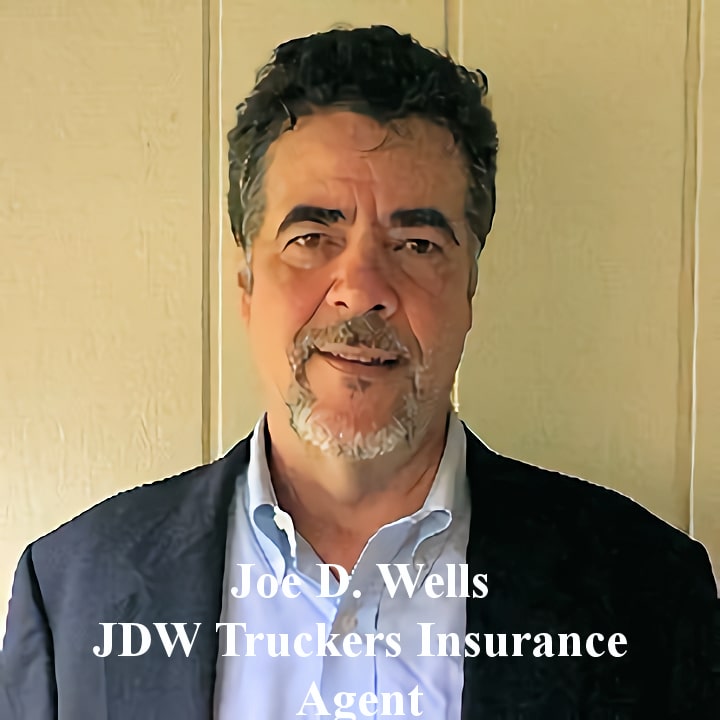
Commercial transportation insurance is highly specialized. An agency such as JDW Truckers Insurance that focuses on trucking understands FMCSA regulations, broker requirements, and the unique risks faced by owner-operators and fleets.
A trucking insurance specialist can help you:
- Compare quotes from multiple A-rated carriers.
- Identify discounts you may qualify for.
- Customize coverage for your operation.
- Avoid gaps in protection.
- Ensure compliance with federal and state insurance requirements.
Working with an experienced specialist often results in better coverage and more competitive pricing than purchasing a standard commercial auto policy.
Mistakes That Can Increase Commercial Transportation Insurance Costs
Many trucking businesses unknowingly pay more for insurance because of avoidable mistakes.
Common mistakes include:
- Hiring inexperienced drivers.
- Allowing repeated safety violations.
- Failing to maintain equipment.
- Carrying insufficient coverage that doesn’t meet broker requirements.
- Waiting until the last minute to renew insurance.
- Choosing a policy based solely on the lowest premium.
- Not reviewing coverage as the business grows.
Avoiding these mistakes can improve your safety profile and help reduce long-term insurance costs.
Benefits of Choosing the Right Commercial Transportation Insurance
While saving money is important, the best insurance policy is one that provides reliable protection when you need it most.
The right Commercial Transportation Insurance can help your business:
- Stay compliant with FMCSA and state regulations.
- Protect valuable trucks and equipment.
- Cover expensive liability claims.
- Protect cargo during transportation.
- Improve your credibility with brokers and shippers.
- Support long-term business growth.
- Reduce financial risk after accidents.
Choosing comprehensive coverage today can help protect your business from significant financial losses tomorrow.
Frequently Asked Questions About Commercial Transportation Insurance
What is Commercial Transportation Insurance?
Commercial Transportation Insurance is a combination of insurance policies designed to protect businesses that transport freight, equipment, or materials using commercial vehicles. Depending on your operation, a policy may include primary liability, physical damage, cargo insurance, general liability, trailer coverage, and other optional protections.
Is Commercial Transportation Insurance required by law?
Yes, in many cases. If you operate a commercial vehicle in interstate commerce, the FMCSA requires minimum levels of liability insurance before your operating authority becomes active. Businesses operating only within one state must comply with their state’s commercial vehicle insurance requirements.
How much does Commercial Transportation Insurance cost?
The cost of Commercial Transportation Insurance varies based on several factors, including:
- Truck type
- Years in business
- Operating authority
- Driving history
- Claims history
- Cargo hauled
- Coverage limits
- Vehicle value
- Operating radius
- Business location
A single semi truck may cost anywhere from $8,000 to $16,000 per year, while a new authority may pay $12,000 to $22,000 or more. Box trucks and dump trucks generally have different pricing depending on their operation and risk profile.
What does Commercial Transportation Insurance cover?
Coverage depends on the policy you purchase. A typical Commercial Transportation Insurance package may include:
- Primary Liability Insurance
- Physical Damage Coverage
- Motor Truck Cargo Insurance
- General Liability Insurance
- Trailer Interchange Coverage
- Non-Owned Trailer Coverage
- Non-Trucking Liability
- Roadside Assistance
- Towing Coverage
- Equipment Coverage
Your insurance agent can customize coverage based on your business needs.
What is the minimum FMCSA insurance requirement?
For many interstate motor carriers hauling non-hazardous freight, the federal minimum liability requirement is $750,000. However, many freight brokers and shippers require $1 million in liability coverage before they will work with a carrier.
Certain hazardous materials require significantly higher liability limits.
Do owner-operators need Commercial Transportation Insurance?
Yes. Most owner-operators need commercial transportation insurance to protect themselves, meet FMCSA requirements, satisfy lease agreements, or comply with broker contracts. The exact coverage depends on whether the owner-operator has their own authority or is leased to a motor carrier.
Does Commercial Transportation Insurance include cargo insurance?
Not automatically. Cargo insurance is typically purchased as a separate coverage within your overall insurance package. Although the FMCSA generally does not require cargo insurance for most general freight carriers, many brokers and customers require at least $100,000 in cargo coverage.
Can I lower my Commercial Transportation Insurance premium?
Yes. Many trucking businesses lower their insurance costs by:
- Maintaining a clean driving record.
- Hiring experienced CDL drivers.
- Implementing safety programs.
- Reducing claims.
- Increasing deductibles.
- Comparing quotes from multiple carriers.
- Working with a trucking insurance specialist.
Improving your safety profile over time often leads to lower premiums at renewal.
Is the cheapest Commercial Transportation Insurance policy the best option?
Not necessarily. A lower premium may also mean lower coverage limits, higher deductibles, or exclusions that leave your business financially exposed after a claim. It’s important to compare policies based on both price and coverage to ensure your operation is properly protected.
Why Choosing the Right Commercial Transportation Insurance Matters
Commercial transportation businesses face risks every day, from traffic accidents and cargo losses to lawsuits and equipment damage. The right Commercial Transportation Insurance provides financial protection, helps your business remain compliant with FMCSA and state regulations, and gives brokers and customers confidence that you’re a reliable carrier.
Whether you operate a single box truck, a dump truck, or a fleet of semi trucks, selecting the proper insurance coverage can protect your business from unexpected losses while supporting long-term growth.
Instead of focusing only on the lowest premium, compare coverage options, policy limits, deductibles, claims service, and the financial strength of the insurance carrier. Investing in comprehensive protection today can help prevent costly financial setbacks in the future.
Get a Free Commercial Transportation Insurance Quote Today
Finding affordable Commercial Transportation Insurance doesn’t have to be difficult. Working with an experienced trucking insurance agency gives you access to multiple A-rated insurance carriers, competitive pricing, and coverage designed specifically for commercial transportation businesses.
Whether you’re a new authority, an experienced owner-operator, or managing a growing fleet, the right insurance partner can help you compare options, meet FMCSA requirements, and customize coverage for your unique operation.
Contact JDW Truckers Insurance today for a free, no-obligation quote and discover how the right Commercial Transportation Insurance can help protect your trucks, your drivers, your cargo, and your business while keeping your insurance costs competitive.
Commercial Truck Insurance for Owner Operators & New Authorities
If you have questions. Call or text JDW for a friendly one on one chat. We respond quickly and answer your questions – 843-849-4929
Commercial Transportation Insurance commercial truck insurance FMCSA Insurance Requirements Owner Operator Insurance Trucking Business Insurance